Ever lost an entire day’s work because your “indestructible” server crashed during a critical update? Yeah, we’ve all been there. But here’s the kicker: 82% of businesses that suffered major downtime never fully recovered. And guess what? Most of those disasters could have been avoided with one simple yet powerful process—a system resilience test.
In this post, we’ll dive deep into why system resilience testing matters in cybersecurity and data management (especially fault tolerance), and how you can implement it like a pro. You’ll learn:
- The hidden risks of skipping resilience tests.
- A step-by-step guide to running your own resilience checks.
- Bonus tips for optimizing your results—and avoiding rookie mistakes.
Table of Contents
- Key Takeaways
- Why Fault Tolerance Depends on System Resilience Tests
- The Foolproof Guide to Conducting a System Resilience Test
- Tips & Best Practices for Success
- Real-World Examples That Worked Wonders
- Frequently Asked Questions About System Resilience Testing
Key Takeaways
- A system resilience test ensures your tech infrastructure can bounce back from unexpected failures.
- Fault tolerance is only as good as its weakest link—resilience testing uncovers these vulnerabilities.
- Regular testing saves money, boosts customer trust, and prevents catastrophic outages.
Why Fault Tolerance Depends on System Resilience Tests
Let me confess something embarrassing. A few years ago, I was managing a team responsible for securing a client’s database. We thought we had everything under control until their primary server tanked mid-deployment. Guess what happened next? Their entire backup array failed too. Turns out, we relied on mirrored backups without ever stress-testing them. Cue hours of panic mode while our reputation took a nosedive.
That fiasco made me realize that fault tolerance isn’t just about having redundant systems—it’s about ensuring they actually WORK when disaster strikes. Enter the system resilience test. This bad boy simulates worst-case scenarios so you can identify weaknesses before they become nightmares.
Here’s the deal: In today’s hyper-connected world, where even milliseconds of downtime can cost millions, ignoring resilience testing is asking for trouble. Think of it as wearing a helmet while riding your metaphorical digital bike. Sure, helmets are nerdy—but concussions are worse.

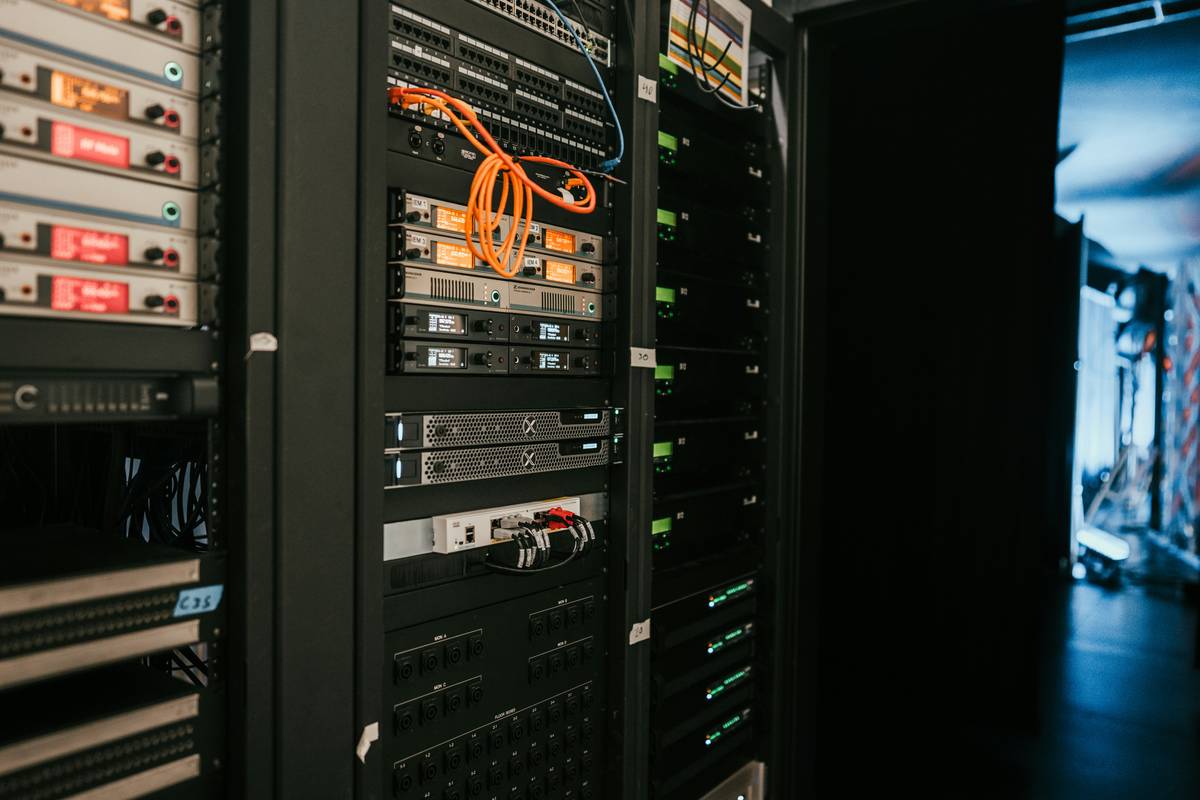
A visual representation of how system resilience interacts with fault tolerance mechanisms.
The Foolproof Guide to Conducting a System Resilience Test
Step 1: Define Objectives
What exactly are you trying to achieve? Are you testing recovery times, data integrity, or hardware durability? Write down clear goals first. Without objectives, your test becomes aimless noise.
Step 2: Create a Mock Failure Scenario
Pretend you’re an evil hacker planning chaos. Shut off power to your secondary router. Simulate corrupt files in your cloud storage. Or disconnect multiple nodes in your network cluster. Go wild—but safely!
Optimist You: “This will help us prepare for anything!”
Grumpy You: “Yeah, but someone needs to buy coffee for everyone stuck monitoring logs all night.”
Step 3: Monitor Performance Metrics
Track response times, error rates, and any weird anomalies. Tools like Nagios or Datadog can be lifesavers here. Pay special attention to areas where performance dips dramatically.
Step 4: Analyze Post-Mortem Data
After each test, document what worked, what didn’t, and WHY. Remember, insights are useless unless acted upon. Use these findings to fortify weak spots before deploying changes live.
Tips & Best Practices for Success
- Schedule Regular Tests: Treat resilience testing like brushing your teeth—daily care keeps bigger problems at bay.
- Involve Multiple Teams: Collaboration between IT ops, developers, and security teams ensures no blind spots exist.
- Use Chaos Engineering Tools: Platforms like Gremlin or Chaos Monkey make breaking things fun—and productive.
Terrible Tip Alert: Don’t run a system resilience test across ALL production environments simultaneously. Learn from my mistake—you don’t want angry calls flooding your phone line at midnight because customers can’t access their accounts during a random outage experiment!
Real-World Examples That Worked Wonders
Take Netflix, for instance. They regularly use Chaos Monkey to deliberately sabotage parts of their service. By intentionally crashing services in controlled ways, they ensure seamless streaming experiences globally—even during peak traffic periods.
Locally, a mid-sized e-commerce company once reduced average recovery time by 70% after adopting bi-weekly resilience tests. They caught several latent bugs causing intermittent crashes months earlier than expected otherwise.
Frequently Asked Questions About System Resilience Testing
What Is the Main Purpose of a System Resilience Test?
To evaluate whether your systems can function correctly under adverse conditions, improving overall reliability and uptime.
How Often Should You Run These Tests?
Ideally every quarter—or more frequently if significant updates occur within your infrastructure.
Can Small Businesses Afford Resilience Testing?
Absolutely! Open-source tools and scalable platforms allow startups to implement basic versions affordably.
Conclusion
You came, you read, you learned—the importance of a system resilience test cannot be overstated. From preventing financial ruin to safeguarding customer loyalty, proactive testing transforms potential catastrophes into minor hiccups.
So, will you let grumpy pessimism hold you back, or embrace optimism fueled by actionable steps? The choice is yours. Now go forth and test fearlessly!
(P.S. Here’s that promised haiku:)
Server screams, then dies,
Resilience saves your bacon—
Test early, sigh less.