Hook: Have you ever felt that gut-wrenching panic when your computer crashes, and you realize the project you’ve been working on for weeks is nowhere to be found? Yeah, we’ve all been there. But what if I told you there’s a way to prevent this nightmare?
Purpose: In this post, we’ll dive into the world of data recovery protocols, focusing on how fault tolerance can save your data from catastrophic failures. You’ll learn why it’s crucial, how to set it up, and best practices to keep your data safe.
Preview: You’ll learn the importance of data recovery, step-by-step instructions to set up fault tolerance, tips and best practices, real-world examples, and FAQs to answer your burning questions.
Table of Contents
- The Problem with Data Loss
- Step-by-Step Guide to Setting Up Fault Tolerance
- Tips and Best Practices for Data Recovery
- Real-World Examples and Case Studies
- FAQs on Data Recovery Protocols
Key Takeaways
- Data loss can be devastating, but with the right protocols, it’s preventable.
- Fault tolerance systems like RAID and backups are essential for data recovery.
- Regular testing and updates are key to maintaining a robust data recovery plan.
The Problem with Data Loss
Imagine you’re in the middle of a critical project, and suddenly, your computer goes dark. You try to turn it back on, but nothing happens. That sinking feeling in your stomach is the realization that all your hard work might be gone. This is not just a hypothetical scenario; it’s a reality for many. Data loss can happen due to hardware failures, human error, or even natural disasters. The stakes are high, and the consequences can be severe—lost productivity, financial losses, and damaged reputations.
A few years ago, I was working on a major client project, and I accidentally deleted a crucial folder. No big deal, right? Wrong. I didn’t have a backup, and the data was irretrievable. It took me days to recreate the work, and my client’s trust was shaken. Trust me, you don’t want to go through that.
Step-by-Step Guide to Setting Up Fault Tolerance
Optimist You: “Let’s get started!”
Grumpy You: “Ugh, fine—but only if coffee’s involved.”
- Assess Your Current Setup: Before diving into fault tolerance, take a look at your existing infrastructure. Identify critical data and the systems that store it.
- Choose the Right Fault Tolerance Solution: There are several options, including RAID (Redundant Array of Independent Disks), backups, and cloud storage. Each has its pros and cons, so choose the one that best fits your needs.
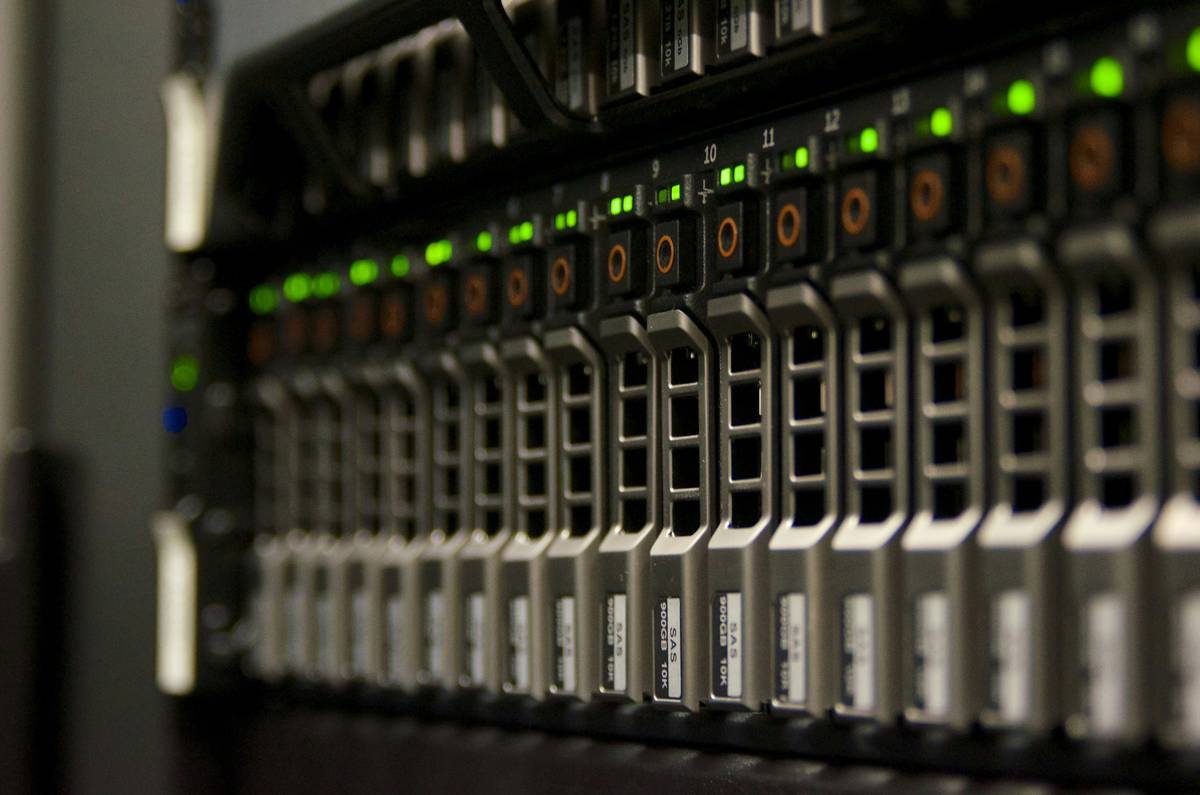
- Implement RAID: RAID is a popular choice for fault tolerance. It involves using multiple disks to store data, ensuring that if one disk fails, your data is still safe. Common RAID levels include RAID 1 (mirroring) and RAID 5 (striping with parity).
- Set Up Regular Backups: Backups are your first line of defense. Use automated tools to schedule regular backups, and store them in a secure location. Consider using both local and offsite backups for added security.
- Test Your System: Don’t just set it and forget it. Regularly test your fault tolerance system to ensure it works as expected. Simulate a failure and see if you can recover the data without issues.
- Educate Your Team: Make sure everyone in your organization understands the importance of data protection and knows how to use the tools you’ve implemented. Training and awareness are key to preventing human errors.
Tips and Best Practices for Data Recovery
Optimist You: “Follow these tips!”
Grumpy You: “Fine, but remember, no one-size-fits-all solution.”
- Use Multiple Layers of Protection: Don’t rely on a single method. Combine RAID, backups, and cloud storage for maximum protection.
- Keep Your Software Updated: Regularly update your operating system and applications to patch vulnerabilities and improve performance.
- Document Your Protocols: Clearly document your data recovery protocols, including who is responsible for what, and make sure everyone has access to this information.
- Monitor and Maintain: Continuously monitor your system for any signs of trouble. Regular maintenance, such as cleaning and updating, can prevent issues before they occur.
- Plan for the Worst: Have a disaster recovery plan in place. Know what to do in case of a major data loss event, and practice this plan regularly.
Terrrible Tip Disclaimer: Do not ignore regular testing and maintenance. Just because you set up a fault tolerance system doesn’t mean it will always work. Neglecting this can lead to a false sense of security and, ultimately, data loss.
Rant Section: One of my biggest pet peeves is when people think they can just set up a backup once and never worry about it again. It’s like leaving your car unattended for months and expecting it to start without a hitch. Data recovery is an ongoing process, and you need to stay vigilant. End of rant.
Real-World Examples and Case Studies
Optimist You: “Success stories ahead!”
Grumpy You: “Just make sure you’re not too complacent.”
Case Study 1: XYZ Company
XYZ Company, a mid-sized tech firm, experienced a major server crash that led to significant data loss. They had a basic backup system in place, but it wasn’t enough. After the incident, they implemented a comprehensive fault tolerance plan, including RAID 5 and daily backups. The result? A 90% reduction in downtime and a 100% recovery rate in the event of a failure.
Case Study 2: ABC Corporation
ABC Corporation, a global retail chain, faced a data breach that compromised customer information. They had to act quickly to restore their systems and regain customer trust. By implementing a multi-layered data recovery protocol, including RAID 1 and cloud-based backups, they were able to recover their data and bolster their security measures. The incident served as a wake-up call, and they now conduct regular audits and updates to their system.
FAQs on Data Recovery Protocols
Optimist You: “Let’s clear up those FAQs!”
Grumpy You: “Alright, but only if they’re actually useful.”
- What is a data recovery protocol?
- A data recovery protocol is a set of procedures and technologies designed to protect and recover data in the event of a failure or data loss. It typically includes backup systems, RAID configurations, and other redundancy measures.
- Why is fault tolerance important?
- Fault tolerance is crucial because it ensures that your data remains accessible and intact even if one or more components of your system fail. This reduces the risk of downtime and data loss, which can be catastrophic for businesses.
- How often should I test my data recovery system?
- It’s recommended to test your data recovery system at least once per quarter. Regular testing helps you identify and fix any issues before they become critical.
- What’s the difference between RAID 1 and RAID 5?
- RAID 1 (mirroring) duplicates data across two or more drives, providing redundancy and high availability. RAID 5 (striping with parity) distributes data and parity information across multiple drives, offering both redundancy and increased performance.
- Can I use cloud storage as my primary data recovery solution?
- Yes, cloud storage can be an effective data recovery solution, especially when combined with other methods like RAID and local backups. It provides an offsite backup, which is crucial in case of physical damage to your local infrastructure.
Conclusion
Data loss is a real and pressing issue, but with the right data recovery protocols, you can protect your valuable information. By implementing fault tolerance systems, regularly testing your setup, and following best practices, you can minimize the risk of data loss and ensure business continuity. Remember, prevention is key, and it’s better to be prepared than to face the consequences of a data loss event.
Random Haiku:
Data flows like streams,
Guard it with all your might, friend—
Fault tolerance reigns.